
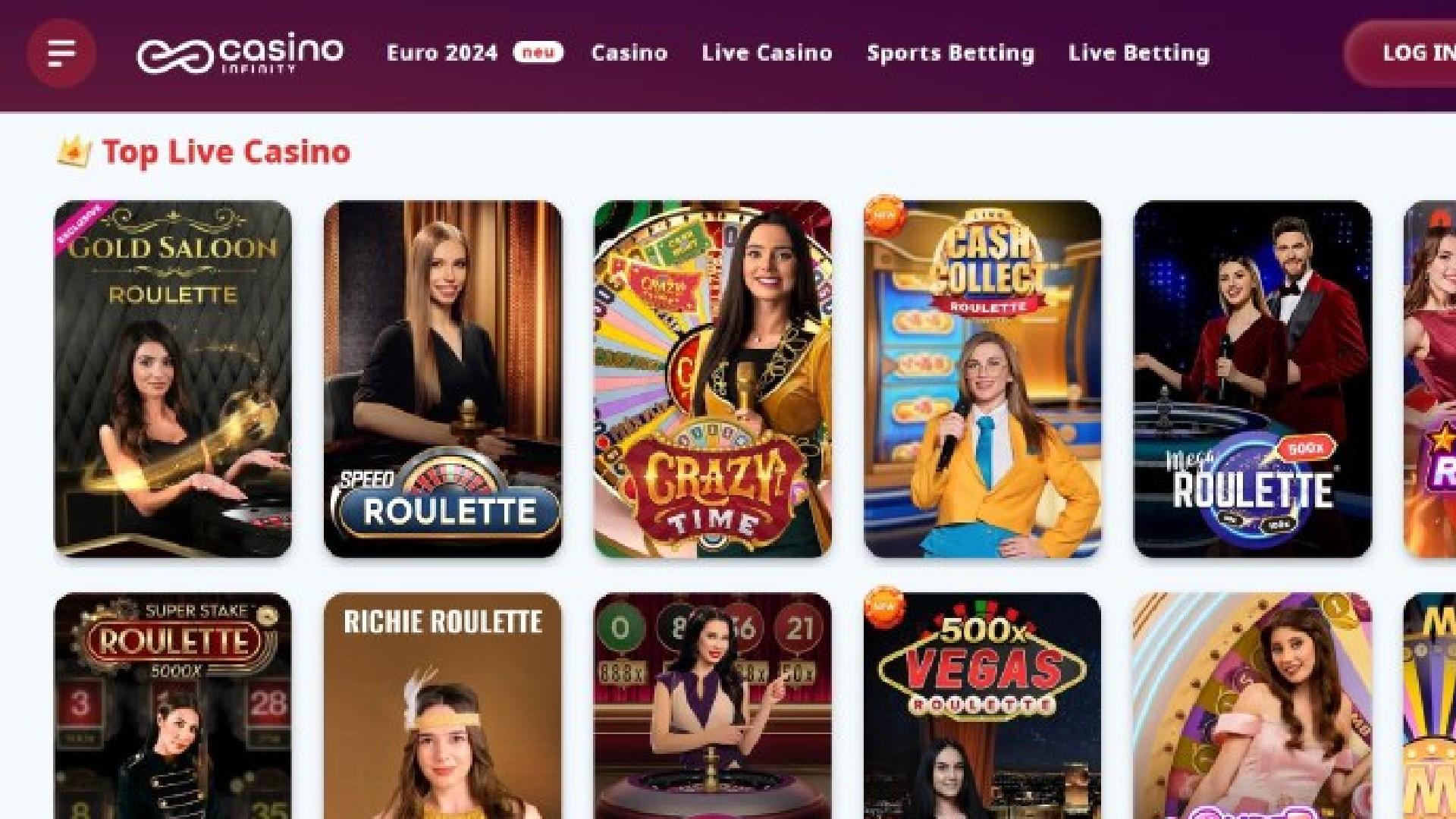
The line between digital gambling and the traditional casino setting has dissolved https://fs-kazino.gr/. Live casino studios now provide real dealers, physical cards, and spinning roulette wheels straight to screens across Greece. These specially designed broadcasting studios operate 24/7, combining high-definition video streams with interactive betting interfaces. For players exploring platforms like FS Casino, understanding how these studios function converts a simple game session into an educated, tactical experience. The tech behind the stream matters as much as the rules of the game itself.
The Design of a Modern Live Casino Studio
A live casino studio is a protected, professionally lit television set built exclusively for gambling broadcasts. Multiple cameras capture every angle of the dealer’s actions, guaranteeing no moment goes unrecorded. The tables are faithful reproductions of those found in land-based casinos, made to the same stringent specifications. Behind the scenes, a production team oversees audio levels, camera switching, and data transmission without disrupting the player’s view.
Each studio typically houses between ten and forty tables, based on the provider’s scale. The lighting is adjusted to eliminate shadows on cards while producing an inviting atmosphere. Sound engineering is also vital, with sensitive microphones picking up the shuffle of cards and the dealer’s voice while filtering out background noise. These facilities function from dedicated locations in Malta, Latvia, Georgia, and other jurisdictions where live dealer gaming is regulated and regulated.
The connection between the studio and the player uses optical character recognition technology. Tiny sensors built into the tables detect every card dealt and every roulette number landed. This data is rapidly digitized and presented on the player’s screen, forming a seamless overlay of physical action and digital interface. The result is a hybrid experience where nothing is left to chance interpretation.
In what manner Game Control Units Power Every Hand
The key piece of hardware at any live dealer table is the Game Control Unit, or GCU. This compact device, no larger than a shoebox, converts the video broadcast in real time. Every table has its own GCU, and it is this unit that makes live streaming possible. Without it, the dealer would simply be a person at a table with no connection to the online player.
The GCU records every stage of a game round. It indicates when betting windows open and close, processes the outcome detected by the card or roulette sensors, and relays the result to the player’s interface within milliseconds. The device also manages the chat function, allowing players to type messages that the dealer can read on a monitor. This technological backbone guarantees that the game flow remains smooth and that disputes are virtually nonexistent, as every action is logged and timestamped.
Live Roulette Broadcasts and the Art of Wheel Management
Live roulette studios operate multiple wheel types to cater to different player preferences. The standard European single-zero wheel is the most common, giving a house edge of 2.7 percent. Some studios also offer French roulette with its La Partage rule, which refunds half the stake on even-money bets when zero shows up. Automated wheels without a dealer are sometimes employed for rapid-fire rounds, but the classic experience stays a human croupier spinning the ball.
Wheel maintenance is a thorough daily routine. Technicians check the balance of the wheel, the condition of the ball track, and the calibration of the sensors that identify winning numbers. Casinos swap wheels between tables on a schedule meant to stop any mechanical bias from forming. For players at FS Casino, this signifies every spin is genuinely random. The camera work during a roulette stream is especially cinematic, often employing slow-motion replays of the ball dropping into the pocket.
Mobile Adaptation and the Multi-Camera Setup
Live casino broadcast studios design their transmissions to work perfectly on mobile devices. The stream player conforms to compact displays without trimming key elements like the betting layout or the dealer’s hands. A reliable internet connection is the only necessity, with the majority of streams modulating bitrate automatically to avoid buffering. The UI for placing bets is restructured into a thumb-friendly design on mobile phones, making sure that the physical experience of selecting chips feels intuitive.
Numerous studios deploy various camera angles that the gambler can toggle between. A close-up view of the roulette wheel or the blackjack dealing shoe ensures transparency and establishes trust. On a tablet computer, this multiple camera feature is particularly immersive. The live chat is minimized but reachable, and the history panel can be opened to view previous outcomes. The audio mix is also adjusted for device speakers, focusing on the croupier’s voice over studio ambient noise.
The Human Factor: Dealer Preparation and Studio Etiquette

Live casino dealers are trained professionals who complete extensive preparation before appearing on stream. Many have land-based casino settings, bringing years of table expertise. Their training for the live environment includes camera awareness, voice control, and the capacity to connect with an invisible viewership. They must be trained to read a chat monitor while holding eye contact with the camera lens, creating the impression of direct personal communication.
Dealers perform in shifts, usually switching every 20 to 40 minutes to maintain concentration and focus. A pit boss oversees the studio floor, much like in a physical casino, watching for procedure infractions and guaranteeing game fairness. The dealers are dressed in uniforms that correspond to the identity of the casino or the game developer. Their hand movements are purposeful and consistent, intended to be completely clear on camera. Any deviation from protocol is spotted right away by the surveillance team.
Show Game Variants and the Expansion of Real-Time Shows
Outside of classic table games, live studios now present elaborate game show productions. These titles boast spinning wheels, dice-shaking machines, and multiplier-generating mechanisms operated by engaging presenters. The sets are colorful, dynamic, and designed to draw players who might find classic blackjack or roulette too static. The hosts lead the action, create suspense, and acknowledge wins with real enthusiasm.
The workings of these games are typically more straightforward than standard table games, based on luck rather than strategy. A wheel with numbered segments may be spun, or a ball might be dropped into a pachinko-style board. The key innovation is the random multiplier, which can enhance payouts dramatically. These games stream from specialized studios with custom-built props that cannot be duplicated at a standard table. The social atmosphere is heightened, with chat interactions assuming a central role in the experience.
Blackjack Tables and the Card Shoe That Reads Every Card
Real-time blackjack relies on a card shoe featuring card-reading technology. As the dealer draws each card from the shoe, a detailed scanner identifies its rank and suit in real time. This information is sent to the player’s screen, where the hand value is adjusted automatically. The system eliminates dealer error and accelerates gameplay substantially. Players can dedicate themselves to their strategy rather than confirming the count.
Most live blackjack tables employ a typical eight-deck shoe, re-shuffled when about half the cards have been distributed. Some studios provide a pre-decision feature, permitting players to make their hitting, standing, or doubling down choices before their turn arrives, which speeds up the overall pace. Additional wagers such as https://www.goal.com/en/lists/man-utd-keep-casemiro-saudi-interest-wages-brazilian-valuable/bltfeaae8f26a73a255 Perfect Pairs and 21+3 are built into the interface, with the system detecting eligible combinations and awarding accordingly. The dealer’s screen shows player decisions in real time, guaranteeing no verbal confusion.
Licensing, Fairness, and the Function of the Regulatory framework
Each licensed live casino studio works under a gambling license provided by a recognized authority. Regulatory bodies such as the Malta Gaming Authority or the Hellenic Gaming Commission require studios to present their equipment for periodic testing. The random number generators utilized in digital elements, the card-reading shoes, and the roulette sensors are all approved by third-party testing laboratories. These certifications are usually displayed on the casino’s website for player verification.
The studio floor itself is liable to unscheduled inspections. Authorities can examine recorded footage of any game round to investigate a player complaint. All streams are recorded and kept for a required by law period. The dealers are not aware of the players’ stakes or balances, which stops any singling out of individuals. This structural separation between the studio and the casino’s financial systems is a fundamental principle of just live gaming. Players should always check the license footer on the platform they are utilizing.
Choosing the Proper Live Studio Adventure for One’s Style
The range of live casino studios available today means players can pick an environment that fits their pace and budget. Standard tables accommodate a broad range of bet sizes, while high-roller tables and private salons serve larger bankrolls with higher minimums and dedicated dealers. Some studios offer native-language tables, where the dealer speaks Greek and the interface is fully localized. This eliminates any language barrier and makes the experience more comfortable.

Speed is another factor to think about. Certain roulette studios operate rapid rounds every 25 seconds, while others maintain a more relaxed rhythm. Blackjack tables with the pre-decision feature move faster than those without it. Players should browse the lobby, check the table limits, and observe a few rounds before jumping in. The objective is to discover a studio where the dealer’s pace, the camera work, and the betting limits align with personal preference. The live casino is not a single product but a set of distinct experiences.
The live casino studio represents the most transparent form of online gambling. Every card, every spin, and every payout takes place in plain sight, backed by technology that provides no room for ambiguity. For players in Greece, the next step is to enter the lobby with this knowledge, choose a table that suits their style, and experience the genuine interplay of human skill and digital precision. The studio door is always open.